Houston Heights Neighborhood Comparison With Nearby Areas
June 18, 2026
June 18, 2026
Trying to choose between Houston Heights and another close-in Houston neighborhood? If you want to live near downtown, your options can look similar at first glance, but the day-to-day feel is very different from one area to the next. This guide will help you compare Houston Heights with Montrose, Midtown, the Museum District, West University Place, and Washington Avenue / Memorial Park so you can narrow in on the lifestyle that fits you best. Let’s dive in.
Houston Heights has a distinct identity that is hard to confuse with anywhere else in Houston. It is one of Houston’s oldest planned communities, first platted in 1891, and it still carries much of that early neighborhood character today.
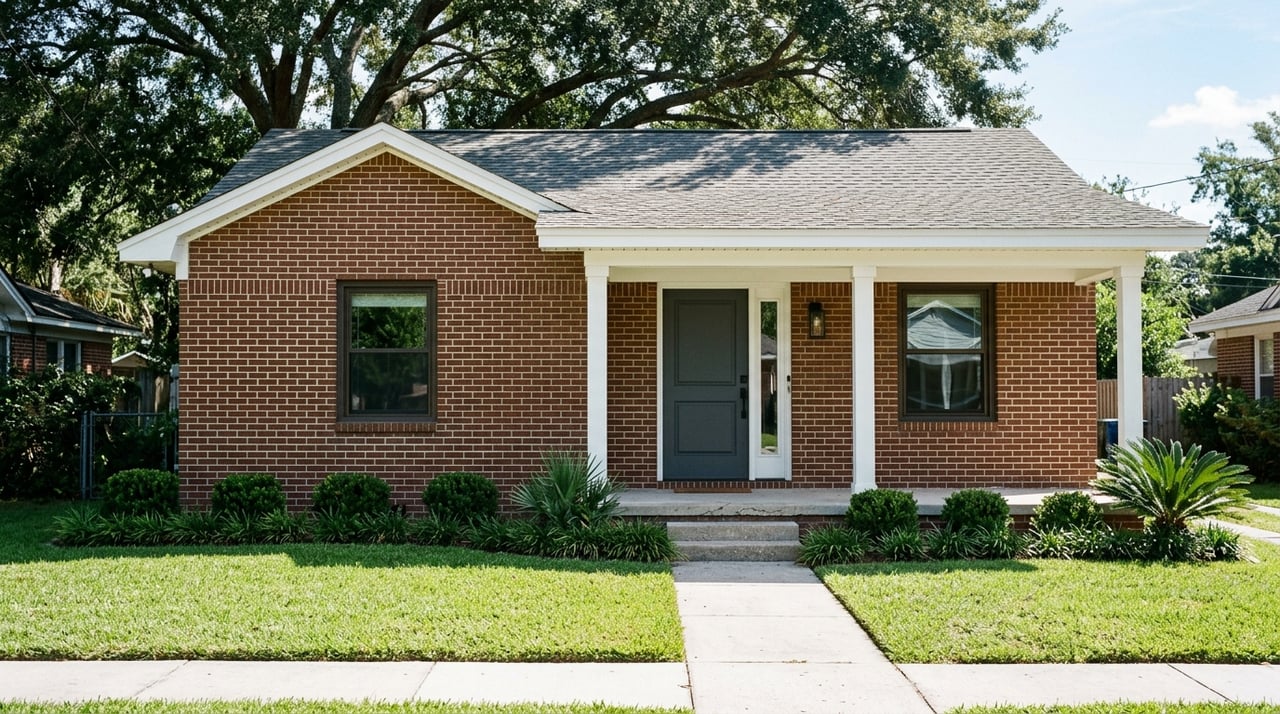
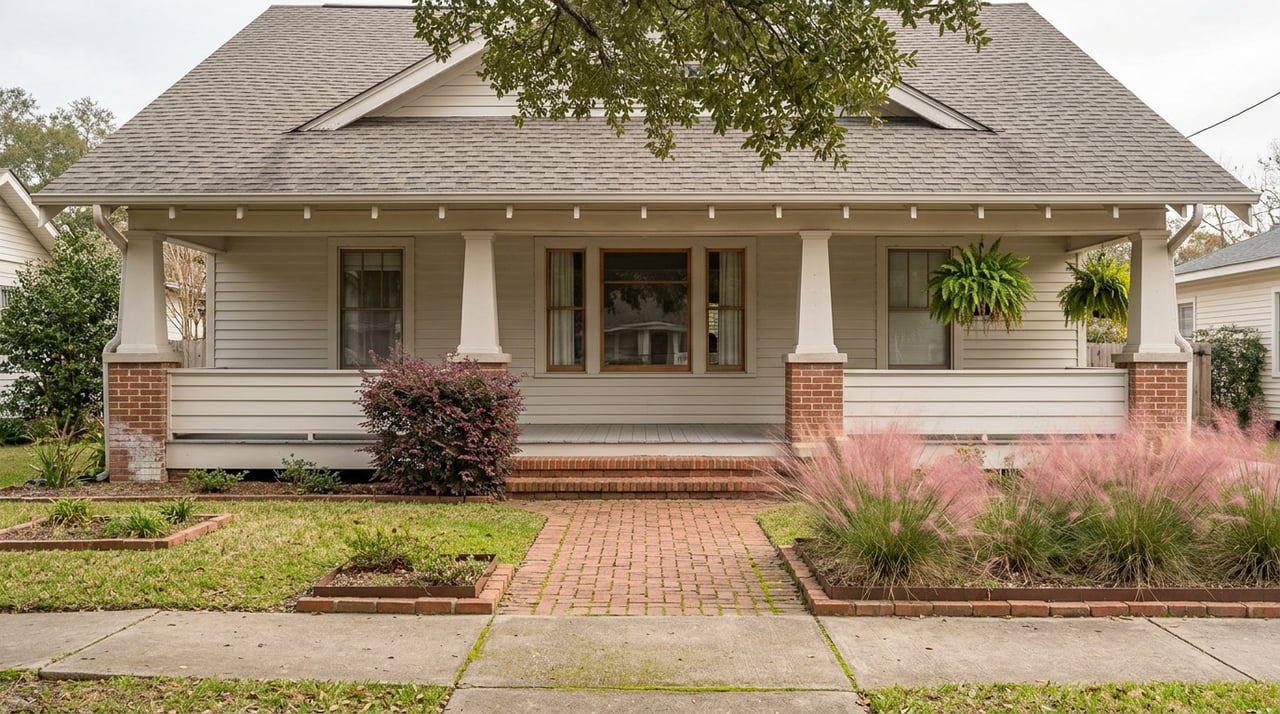
Many homes in the Heights are one or two stories with large windows, porches, pier-and-beam foundations, and bungalow, Craftsman, or Queen Anne-era details. If you are drawn to older homes with visible architectural character, the Heights often lands at the top of the list.
Another key difference is that exterior changes can be more regulated here than in many other close-in neighborhoods. Historic-district rules and deed restrictions can shape what owners can do to a home’s exterior, which may appeal to buyers who value preservation and neighborhood consistency.
The Heights also balances neighborhood charm with access. A representative 77008 location shows an 85 Walk Score, 46 Transit Score, and 64 Bike Score, with estimated commutes to downtown of 17 minutes by car, 33 minutes by transit, and 30 minutes by bike.
The trail network is part of the appeal too. The MKT/Heights Hike and Bike Trail runs 3.36 miles, helping support the area’s trail-friendly, active feel.
If you are using the Heights as your baseline, think of it this way: it offers historic-house character, a strong neighborhood identity, and solid walkability, but it is not the most transit-driven or fastest downtown option among close-in Houston areas.
That makes it a strong fit if you want a neighborhood that feels established and residential while still giving you access to restaurants, trails, and daily conveniences. For many buyers, that mix is exactly the sweet spot.
Montrose and the Heights are often compared because both are close-in, walkable, and full of character. The biggest difference is in the overall feel.
Montrose is more urban and eclectic. The American Planning Association describes it as one of Houston’s original streetcar suburbs, with housing that ranges from old mansions and Arts and Crafts bungalows to townhouses, lofts, and patio homes.
If walkability is your top priority, Montrose has an edge. Walk Score ranks it as Houston’s most walkable neighborhood at 86 walk, 54 transit, and 73 bike, and a central Montrose location shows a 96 Walk Score with an estimated 10-minute drive to downtown.
Compared with the Heights, Montrose tends to feel more mixed-use and less traditionally residential. It also has a larger rental presence, with about two-thirds of housing identified as rental by the American Planning Association.
Montrose may be the better match if you want:
The Heights may be the better match if you want:
Midtown is a very different choice from the Heights, even though both are close to downtown. Midtown is more transit-oriented, denser, and more tied to mixed-use living.
The City of Houston describes Midtown as a pre-World War I residential district that later became a mix of old homes, small apartment buildings, and low-rise commercial space, with more recent luxury apartment and townhome construction. That gives Midtown a broader apartment and townhome profile than the Heights.
Transit is where Midtown clearly stands out. Walk Score ranks Midtown at 86 walk, 75 transit, and 70 bike, and it sits directly on the Red Line corridor. A representative Midtown location also shows an estimated 5-minute drive to downtown.
If you picture your routine around rail access and a denser city setting, Midtown may check more boxes than the Heights. If you want a more historic-house and neighborhood-centered experience, the Heights usually feels more aligned.
Midtown may be the better match if you want:
The Museum District offers another close-in option, but the lifestyle emphasis is different. Here, the draw is culture, parks, and rail access.
The Museum District Association describes the area as eminently walkable and highlights its homes, varied architecture, restaurants, and museums. METRO places it just south of downtown near the Texas Medical Center and Rice University, with access from the METRORail Red Line.
Walk Score ranks the Museum District at 74 walk, 63 transit, and 75 bike. That means it remains quite accessible, though the Heights scores a bit higher on walkability in the representative comparison used here.
Where the Museum District often wins is on a quieter cultural feel. If you want close access to museums, green space, and rail without prioritizing a nightlife-heavy environment, it can be a compelling alternative.
The Museum District may be the better match if you want:
West University Place, often called West U, tends to appeal to buyers looking for a calmer and more residential close-in setting. Compared with the Heights, it feels less centered on historic-district character and more centered on parks and a small-town atmosphere.
The City of West University Place describes it as a small town with a big heart, minutes from downtown, the Galleria, and the Texas Medical Center. It also highlights tree-lined streets, well-maintained homes, and an expansive park system.
Representative Walk Score examples in West U show very strong walkability, including 93 walk, 49 transit, and 64 bike on Albans Road, and 90 walk, 46 transit, and 67 bike on Lake Street. So if you are comparing convenience alone, West U remains very competitive.
The main difference is less about access and more about neighborhood feel. The Heights often appeals to buyers seeking historic homes and a more visibly preserved architectural identity, while West U generally reads as more residential and park-rich.
West U may be the better match if you want:
Washington Avenue Coalition / Memorial Park gives you a different kind of close-in lifestyle. Instead of historic-house appeal, this area tends to attract buyers who want newer construction and direct access to one of Houston’s major parks.
The City of Houston describes it as a rapidly changing inner-loop area with many upscale single-family and multi-family properties. It also includes Memorial Park, a 1,500-acre urban park with a 3-mile jogging trail and extensive recreation amenities.
Walk Score ranks Washington Avenue / Memorial Park at 68 walk, 48 transit, and 61 bike. That places it below the Heights on walkability, but the tradeoff may be worth it if park access and newer housing options are at the top of your list.
This is often the comparison for buyers deciding between historic homes and a more townhome-friendly environment. If you want park adjacency and a newer feel, Washington Avenue / Memorial Park may be the stronger fit.
Washington Avenue / Memorial Park may be the better match if you want:
| Area | Strongest draw | General feel | Transit profile |
|---|---|---|---|
| Houston Heights | Historic homes and neighborhood identity | Residential, trail-linked, established | Moderate transit, strong walkability |
| Montrose | Highest walkability and eclectic housing | Urban, mixed-use, arts-oriented | Better transit than Heights |
| Midtown | Red Line access and downtown proximity | Dense, mixed-use, apartment and townhome heavy | Strongest transit of this group |
| Museum District | Museums, parks, and rail access | Cultural, walkable, quieter | Strong rail access |
| West U | Parks and residential calm | Small-town feel, park-rich | Some transit, strong walkability |
| Washington Ave / Memorial Park | Newer housing and Memorial Park | Changing, park-adjacent, townhome-friendly | Moderate transit |
If you are deciding among these neighborhoods, the right choice usually comes down to what matters most in your daily routine. No one area wins every category.
Choose Houston Heights if you want historic one- and two-story homes, porches, trail access, and a strong neighborhood identity. It stands out when character and residential feel matter more than having the shortest downtown commute or the strongest rail access.
Choose Montrose if you want Houston’s most walkable urban lifestyle and a broad mix of housing types. Choose Midtown if transit, density, and quick downtown access lead your list.
Choose the Museum District if culture, museums, parks, and rail access shape your decision. Choose West U if you want a calmer park-rich environment close to major job centers, and choose Washington Avenue / Memorial Park if newer construction and direct park access matter most.
When you compare these neighborhoods side by side, the Heights often comes out ahead for buyers who want a close-in Houston location with historic-house character and a strong sense of place. If that sounds like your style, it is a neighborhood worth a closer look.
If you are weighing Houston Heights against other close-in Houston areas and want help narrowing down the right fit, Andrea Smith can help you compare your options and plan your next move with confidence.
Stay up to date on the latest real estate trends.


Get assistance in determining current property value, crafting a competitive offer, writing and negotiating a contract, and much more. Contact me today.