Houston Heights Bungalow vs Townhome: How to Choose
March 24, 2026
March 24, 2026
Torn between a classic porch-front bungalow and a sleek three-story townhome in Houston Heights? You are not alone. Each option offers a different blend of charm, space, maintenance, and monthly costs. In this guide, you will compare the real differences that affect daily life, budget, and long-term value in the Heights. Let’s dive in.
Houston Heights is a historic, streetcar-era neighborhood with preserved homes, tree-lined streets, and lively corridors like 19th Street and Heights Boulevard. It blends early 1900s character with new construction and infill, which creates real variety block by block. For a quick sense of place, read a short overview of the neighborhood’s history and vibe from a local feature on the Heights’ past and present. Explore the Heights’ context.
On pricing and size, local data shows variety based on the boundary used. For the core Houston Heights, HAR reports an average house size around 2,284 square feet, a median lot size near 6,550 square feet, and a median market value of about $862,000. Broader “Greater Heights” summaries often show typical sale ranges from the mid-600s to mid-700s. Always compare by a clear boundary or ZIP when you evaluate comps. See HAR’s Heights market snapshot.
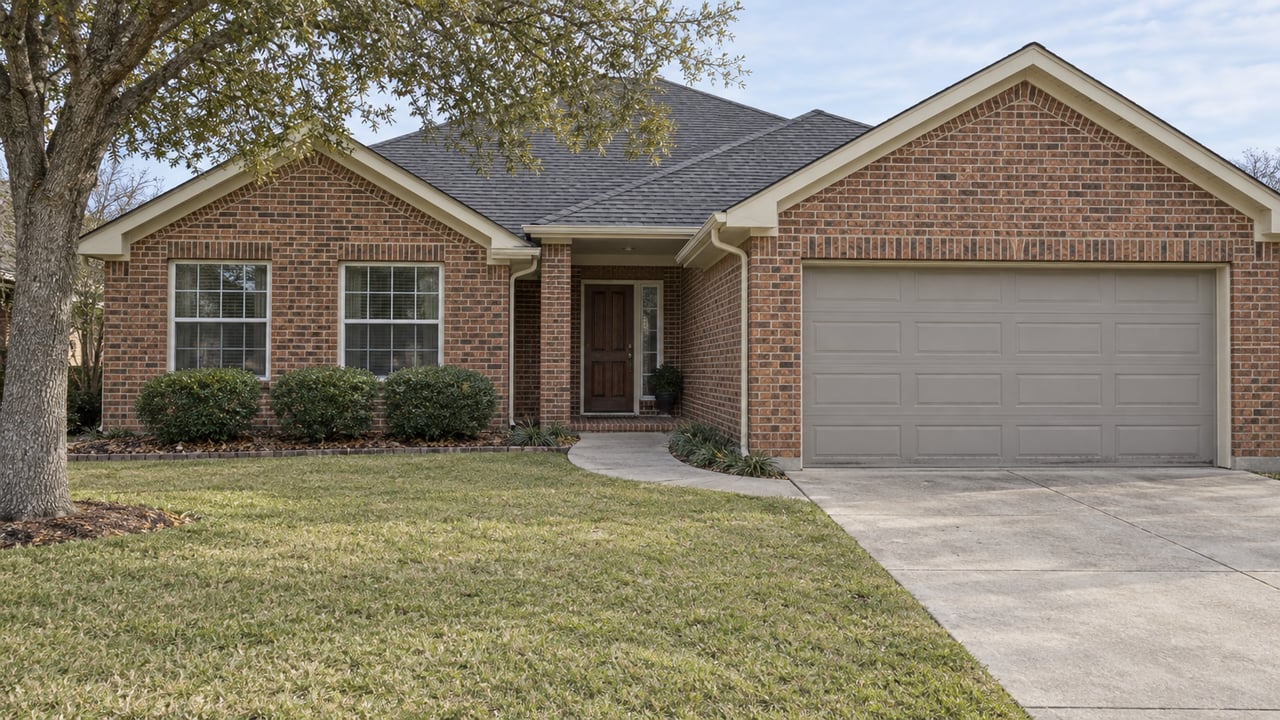
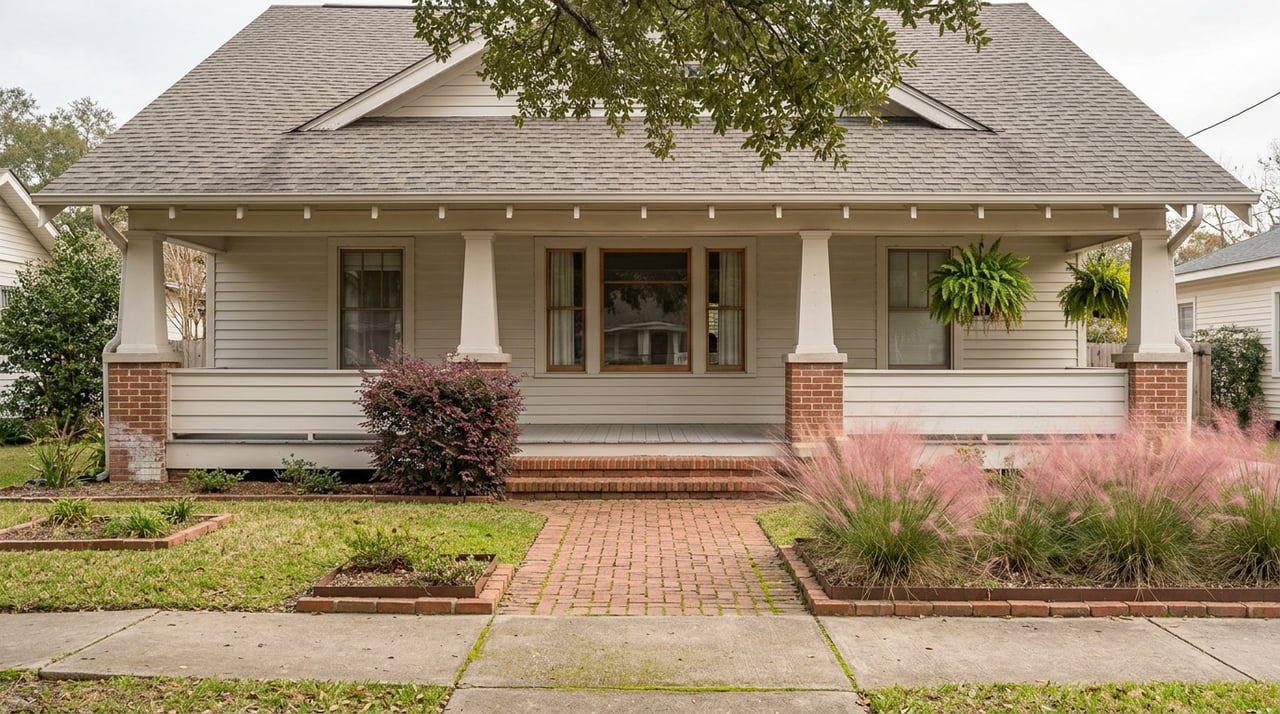
Most authentic Heights bungalows date to the early 1900s through the 1920s. You often get a deep front porch, one-level living, wood or clapboard exteriors, and original hardwoods that many owners keep during renovations. Exterior changes inside the City-designated historic districts follow published design guidelines and may require approval, which helps keep the streetscape consistent. Review the City’s Heights design guidelines.
Lot sizes for bungalows commonly range from about 5,000 to 7,500 square feet, with some larger corner or infill parcels. Inside, original layouts often have defined living and dining rooms and one to two bedrooms, though many homes now feature updated kitchens and additions. Detached garages and alley access are common, and yards tend to be larger than what you will find with most townhomes.
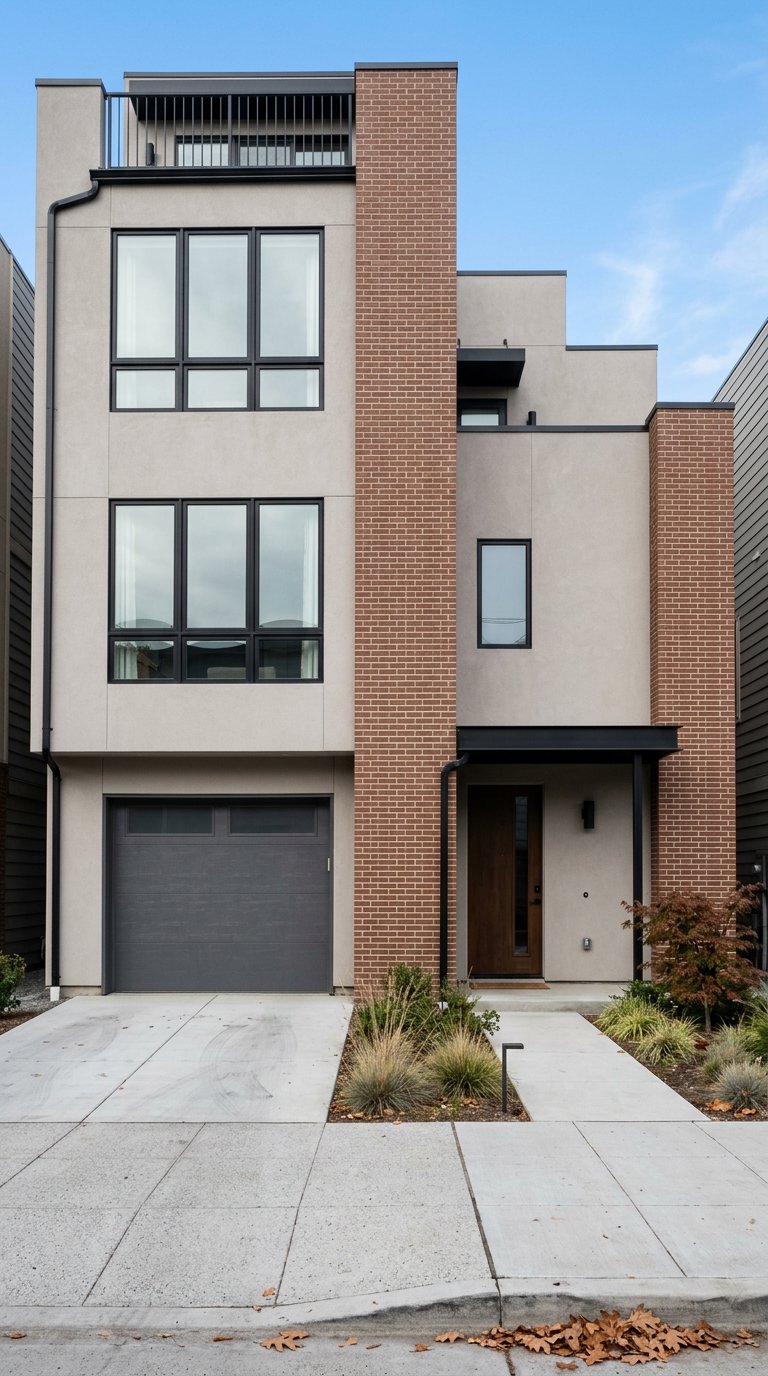
Townhomes in and around the Heights typically offer three stories with an attached ground-level garage, open living and kitchen on the second floor, and bedrooms on upper levels. Newer homes often fall between roughly 1,800 and 2,700 plus square feet. Expect contemporary finishes, open plans, and features like rooftop terraces or balconies.
Townhome parcels and usable yard space are usually smaller, often under 2,500 square feet per unit. Many communities offer gated access and shared maintenance of exterior elements through a homeowners association, which can reduce the short-term exterior workload for owners.
Older homes can carry more maintenance exposure. Industry guidance suggests budgeting about 1 to 4 percent of a home’s value per year for upkeep, with the higher end more likely for older houses or properties with deferred work. That helps set realistic reserves for a Heights bungalow with historic systems and finishes. See a maintenance cost overview.
Newer townhomes often have a lighter near-term burden on big exterior items, especially when the HOA handles common-area maintenance and some exterior elements. Interiors and finishes still wear, and you should review any builder warranties to confirm what is covered and for how long.
Townhome HOA dues in the Heights vary widely, with many examples falling from under 100 dollars to over 200 dollars per month depending on services and community size. Dues can cover items like exterior upkeep of common areas, gates, shared lighting, private drive maintenance, and trash. In Texas, you are entitled to certain HOA disclosure documents during resale. Always request the full HOA packet, current budget, reserve details, and recent meeting minutes before you commit. Learn about Texas HOA resale disclosures.
Townhome and condo owners should review the HOA’s master insurance policy to understand what the association insures and what you must cover on your individual policy. Master policies vary and can be “bare walls,” “single-entity,” or “all-in,” and deductibles can be significant. Ask for the master policy, study the deductibles, and consider loss-assessment coverage on your HO-6 if appropriate. Understand master policy types.
If the bungalow sits inside a City-designated Heights historic district, exterior alterations, additions, and demolitions often require a Certificate of Appropriateness. This can affect timing, design options, and costs for your project. Review the guidelines early and plan your budget and schedule around the approval process. Read the Heights district guidelines.
Some properties are subject to recorded deed restrictions that govern use, setbacks, and other property details. These covenants can operate in addition to any City preservation rules. Verify deed-restriction status during due diligence so you understand what is and is not allowed. See an overview of Heights deed restrictions.
Flood risk in Houston is site specific, and the Heights sits largely in the White Oak Bayou watershed. Requirements for flood insurance and premium levels depend on mapped flood zones and property elevation. Before you write an offer, check FEMA flood maps, the Harris County Flood Control District’s tools, and any available elevation certificates. Find your watershed and mapping tools.
The Heights offers walkable commercial corridors like 19th Street and Heights Mercantile and access to hike and bike trails that connect across the Inner Loop. Walkability varies by block, with many inner-Heights addresses posting higher Walk Scores and deeper residential blocks trending lower. Commuting is often by car to Downtown, the Galleria, or the Medical Center, with transit options more limited than in some larger cities. Read a neighborhood-level take on walkability and commuting.
Use this quick fit guide:
For historic bungalows, resale value is often tied to lot size, preserved period features, and proximity to the best walkable corridors. Houston does not have blanket zoning, so values also reflect block-by-block deed restrictions, historic overlays, and, on some parcels, flexible repositioning potential. Check HAR’s neighborhood metrics.
For townhomes, value and negotiating power depend on parking and driveway access, HOA health, finishes, and how your unit compares with nearby new construction. In price tiers with higher new-build supply, you may gain some leverage, especially if a similar unit is listed nearby.
How to compare prices like a pro:
Ready to zero in on the right Heights home for your lifestyle and budget? Let’s talk through your must-haves, due diligence items, and a smart offer plan. Schedule a Consultation with Andrea Smith to get a thoughtful, local-first strategy and a clear next step.
Stay up to date on the latest real estate trends.


Get assistance in determining current property value, crafting a competitive offer, writing and negotiating a contract, and much more. Contact me today.