Houston Heights Real Estate Trends Buyers Should Watch
February 19, 2026
February 19, 2026
Thinking about a Houston Heights home in 2026? You are not alone, and you are smart to study the numbers first. The Heights is a true micro‑market where prices shift by block and property type, and buyers who understand those patterns make better offers. In this guide, you will see where prices and days on market stand, how sub‑markets differ, and what to watch so you can move with confidence. Let’s dive in.
Greater Heights sits at a higher price point than the Houston metro overall. As of January 2026, consumer MLS snapshots show a median sale price near $680,000, a median price per square foot around $357, a median 52 days on market, and sale‑to‑list near 97.3%. Those figures point to a market that is somewhat competitive, with room to negotiate when a listing has been on the market for a while.
For context, citywide data from the Houston Association of Realtors shows months of inventory around 4.7 and a median 66 days on market for single‑family homes in January 2026, with a metro median price near $322,045. You can review HAR’s latest market highlights on the association’s monthly update page at the Houston Association of Realtors market report. The metro’s shift toward more supply gives many buyers a bit more time and leverage than they had from 2021 through 2024.
Another way to look at level and trend: smoothed home‑value indexes place the Heights near $600,000 for a typical home value. Differences between data sources exist because each uses different methods, but they all point to a high‑demand, higher‑priced inner‑loop market.
The Heights contains distinct pockets with very different medians, home types, and lot sizes. In January 2026, snapshots show the Houston Heights West Historic District near a $952,500 median, while the Houston Heights East Historic District sat closer to $512,000. That spread reflects real differences in product and lot size, plus very small monthly sample sizes. One or two luxury closings in a given month can skew a pocket’s median.
When you compare areas, lean on 3‑ and 12‑month rolling medians instead of a single month. Track price per square foot, lot size, and renovation level to compare like‑to‑like. If you are targeting preserved historic homes or new luxury builds, expect premium pricing and faster movement than the neighborhood average.
Early 2026 brought more active listings and slightly longer timelines across Houston, and that pattern influences the Heights. HAR’s price‑tier breakouts show stronger activity in the lower tiers and steady luxury demand. For you, that means the negotiating room can vary by price band. If you shop in a segment with ample listings and longer days on market, you may secure a better price or more favorable contingencies.
Even with more inventory, “hot” listings still draw immediate attention, especially homes with larger lots, thoughtful updates, or great block appeal. In these cases, clean offers, strong pre‑approvals, and flexible timelines help you stand out. Watch median days on market by sub‑area and focus alerts on homes that match your must‑have features so you can move quickly when the right one appears.
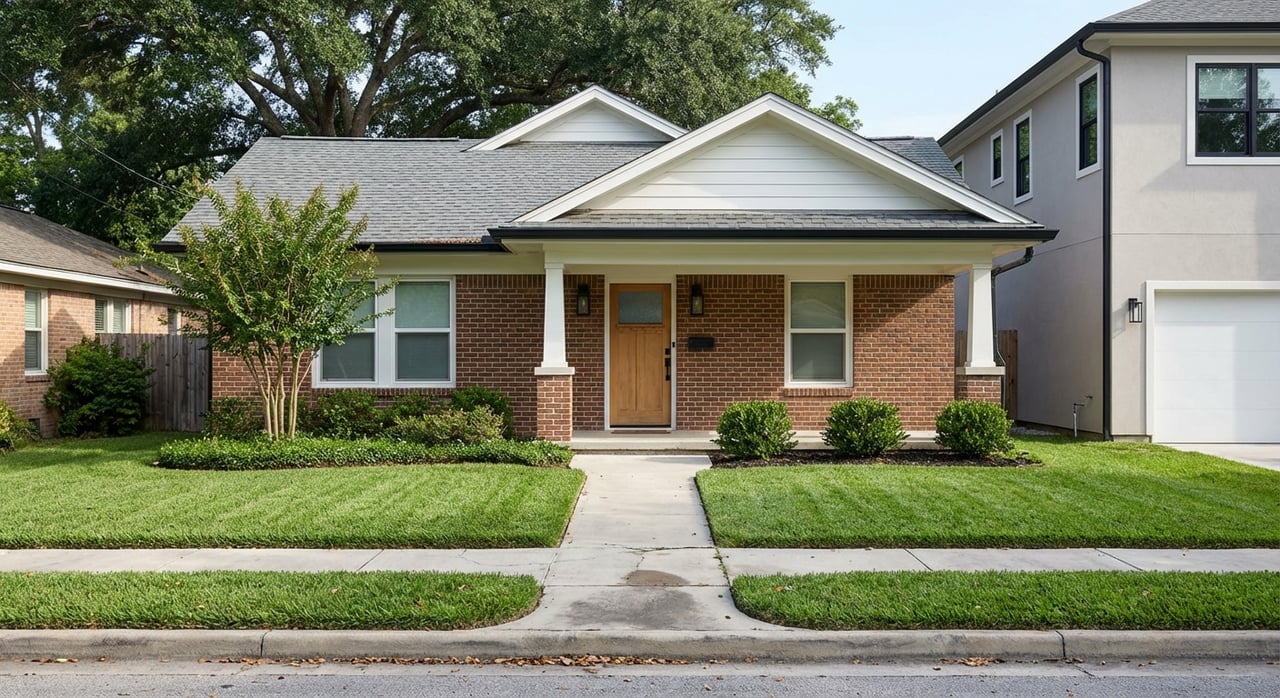
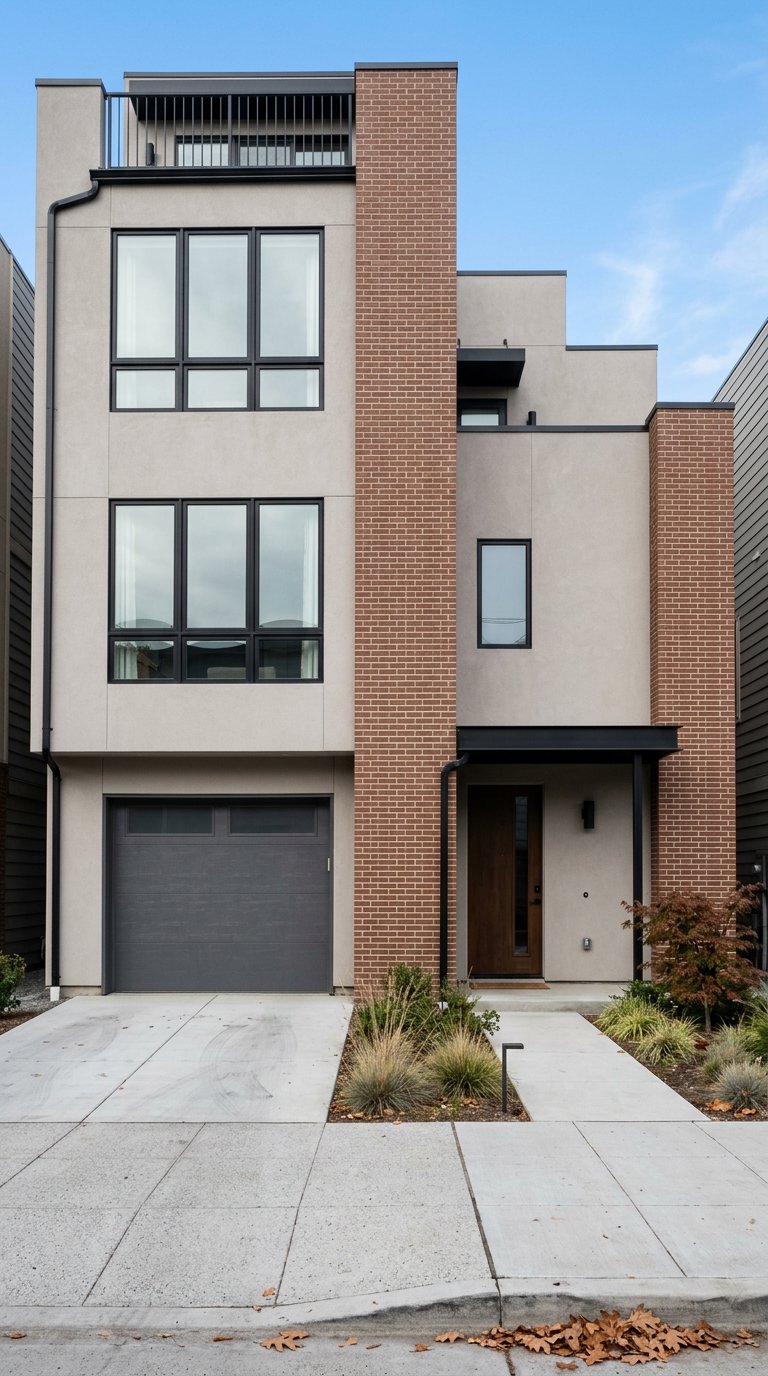
Inner‑loop lots are limited, and many buyers evaluate whether to pay a premium for a preserved lot or pursue a new build on a teardown. If you value modern construction, factor in the full cost stack, including land value, build cost, temporary housing during construction, and carrying costs. If you want a preserved home, pay close attention to condition, prior upgrades, and any structural or systems work.
Parts of the Heights fall within historic districts and contain properties on state and national registers. Local preservation guidelines can affect exterior changes and timelines, which may influence your budget. Before planning major renovations, review local context and consult the resources referenced on the Houston Heights overview to understand how designation can shape your scope.
Flood exposure varies inside the loop. Some entry‑level options may come with flood‑zone tradeoffs that affect insurance costs and long‑term plans. Recent reporting on Houston housing illustrates how location and elevation influence affordability and risk. To plan wisely, verify FEMA maps, check the seller’s insurance history when available, and read coverage quotes early. You can see an example of local discussion of these tradeoffs in this Houston Chronicle real estate coverage.
Older homes often have unique maintenance needs. Budget for a thorough inspection, targeted specialist checks where needed, and quotes for insurance and utilities. If you are evaluating a renovation or new build, get written estimates from licensed pros and include contingency for surprises.
If you are comparing inner‑loop neighborhoods, it helps to place the Heights in context. Recent snapshots showed Neartown and Montrose near $672,500 for median sale price with a slightly longer typical days on market than the Heights. River Oaks, by contrast, sits at a very different price tier near $2.22 million, even though days on market can look similar in any given month. Each area serves a distinct buyer pool, so use these numbers for context rather than direct substitutes.
Ready to talk strategy for your Houston‑area move? Whether you want a data‑driven search plan, neighborhood comparisons, or on‑the‑ground touring support, connect with Andrea Smith to schedule a consultation.
Stay up to date on the latest real estate trends.
This checklist will walk you through essential tasks, offering examples to simplify implementation.
The 30-year fixed-rate mortgage hit its January peak in the first week of the year and fell thereafter.
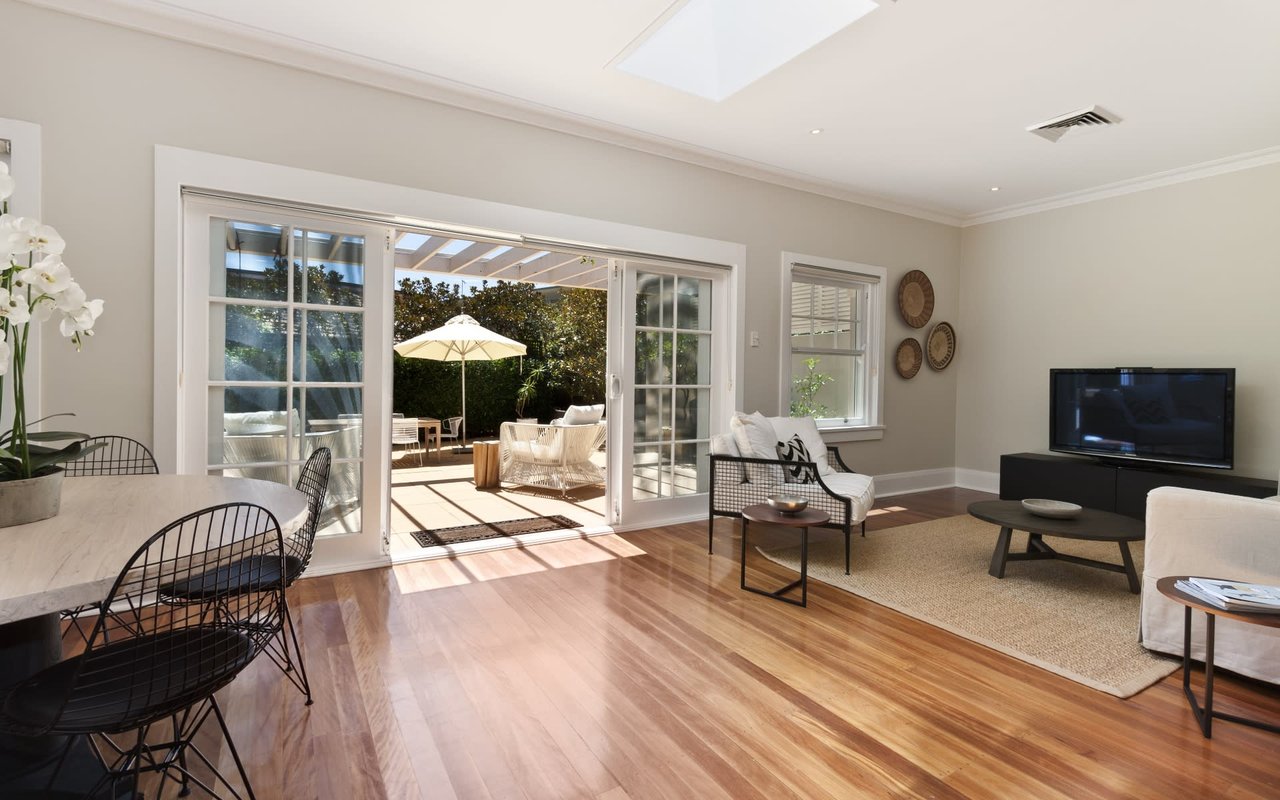
This 3 bed/2 bath home located on a large lot in the heart of Sealy was originally constructed in 1910.
Get assistance in determining current property value, crafting a competitive offer, writing and negotiating a contract, and much more. Contact me today.